How To Treat Intestinal Parasites In Cats
There are many parasites that can be harmful to your cats health. Surely the intestinal parasitosis be one of the main reasons why we went to the veterinary clinic with our cats especially when we just adopted a kitten of young age.

Pin On Mascotas
Dewormers kill only the adult worms living in the intestinal tract but do not kill larval worms hiding elsewhere in the body.

How to treat intestinal parasites in cats. Cats who hunt or have fleas also acquire new parasites. This includes daily removal of feces washing the litter box with a disinfectant such as diluted household. Roundworms hookworms and tapeworms are zoonotic infections which means that they can be transmitted from cat to human and vice versa.
Certain preventive programs for heartworm infection also control intestinal roundworm infections. One of the most common is Piperazine which gets rid of round worms that are already living in the intestine. Periodic routine deworming may be appropriate for cats at risk for re-infection.
These preventatives can be applied either orally or directly onto the skin. Home remedies for cat intestinal parasites Lets see below what home remedies we can use to effectively combat intestinal parasites of our cat. Fasting with apple cider vinegar.
Many holistic vets suggest that daily consumption of apple cider vinegar for 2 weeks is enough to cure your cat of their parasites though there are no scientific studies to confirm this. Another treatment is the anthelmentic fenbendazole available over the counter. Annual fecal exams even for indoor cats can ensure that your cat is parasite.
Whenever using medications be sure to follow the provided directions carefully. Although treatment is usually effective reinfection is common. Recovery of Intestinal Parasitic Infection in Cats In most cases the prognosis for recovery from a GI parasite is good.
Although infrequent sudden death is a reported occurrence in cats as they hide very well more subtle symptoms. The only way to detect and properly treat internal parasites is through testing. Ideally treatment for kittens should be started at 3 to 4 weeks of age repeated at 2-week intervals until 3 months of age and then continued monthly until 6 months of age.
Many parasite and mite preventatives can be useful in both preventing and treating Cheyletiella in cats. Some parasites are zoonotic. As is the case with any type of parasite infestation it is important to clean all areas your cat stays in including pillows and bedding.
The treatment of gastrointestinal parasites often requires medication prescribed by a veterinarian. The presence of what we commonly know as worms in their stools it is sufficient for the diagnosis but there are some less striking symptoms such as rough coat and abdominal distension. For coccidiosis your vet might give Kitty trimethoprim-sulfa for approximately six days to rid him of this organism.
Parasite reinfections are very common but can be prevented. Do not use over the counter dewormers as some can be toxic to cats. Prompt treatment for worms should be given when any intestinal parasites are detected.
They tend to have a few all their lives and can reinfect themselves even as adults. Parasite control begins with good sanitation procedures. Proper treatment will rid your pet of the parasite and allow them to regain their health and vitality.
If Kitty has the intestinal parasite giardia your vet might prescribe the drug metronidazole. Another common medicine is Pyrantel Pamoate which can be given to pregnant cats or young animals. Treatment consists of sulphonamides antibiotics with antiprotozoan activity for 5-7 days or the use of diclazuril or toltrazuril in a single dose an unregistered drug for felines that is usually used.
Treatment and prevention of intestinal parasites These parasites are treated with medication prescribed by the veterinarian. It is very important to realize that cats do not have to be exposed to intestinal parasites as adults in order to have them. Several drugs are effective for treatment of roundworm infections in cats.
Your cats veterinarian will prescribe the proper treatment for your cat. Speak to your veterinarian about the most appropriate parasite control program for your cat. A day of fasting will be highly beneficial for our pet because when the body does not use energy to carry out digestion it has a greater and better predisposition to detoxify.
Apple cider vinegar is a trending topic when it comes to curing intestinal parasites in cats due to its ability to create an alkaline environment in the intestinal tract. For dogs many of the heart-worm preventives routinely used such as Heartguard Plus Interceptor and Revolution also aid in preventing roundworm infection. Controlling fleas will prevent infection of certain types of tapeworm.
Some infected cats have no symptoms. Follow directions carefully when giving the medication. How to treat Cheyletiella in cats.
Keep your cat indoors to prevent exposure to infected prey fleas and feces. For this reason cats frequently flare up with parasites despite being dewormed as kittens.

Roundworms And Flatworms These Internal Parasites Dangerous To Cats Roundworm Flatworm Cat Worms

10 Simple Home Remedies For Worms In Cats Cat Remedies Cat Nutrition Cat Care

Kittens Are Susceptible To Worms Fleas And Ticks The Good News Is That They Can Be Treated And Often Prevented Cat Care Cat Behavior Cat Care Tips

Inulin Pk For Cats How To Cure Diarrhea Diarrhea Remedies Diarrhea

Signs And Symptoms Of Parasites In Cats Parasite Holistic Pet Health Holistic Remedies

How To Prevent And Treat Worms In Your Cat Oliveknows Cats Cat Health Cat Safety
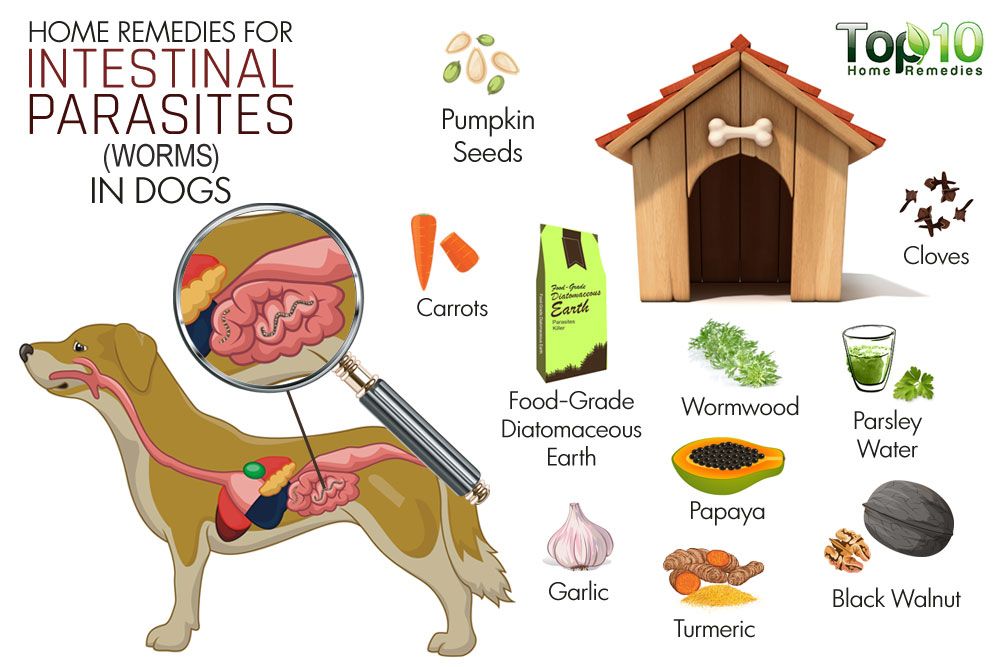
Home Remedies For Intestinal Parasites Worms In Dogs Top 10 Home Remedies Worms In Dogs Dog Remedies Deworming Dogs

Advantage Multi Topical Solution For Cats 2 To 5 Lbs 3 Month Supply Petco Pet Medications Cats Food Animals

Deworming Dogs And Cats Nhv Natural Pet Products Blog Deworming Dogs Cat Nutrition Dog Remedies

Intestinal Worms And How To Treat Them Naturally True Carnivores Worms In Dogs Deworming Dogs Cat Worms

Tape Worm Tabs For Cats 3 Pack 9 Tablets Cat Medication Cat Symptoms Cats

Pin On Cats

Cat Parasites Roundworms Roundworms Also Known As Ascarids Intestinal Parasites Roundworm Cat Diseases

Pin On Keeping Your Dog Healthy

Tapeworms Are One Of The Many Intestinal Parasites That Can Infect Your Dog Or Cat Cats Veterinary Care Vet Tech

Identify Intestinal Worms In Your Cat Worms Cats Pet Health

Deworming Dogs And Cats Nhv Natural Pet Products Blog Deworming Dogs Dog Remedies Worms In Dogs
Roundworms In Cats Signs Symptoms And Prevention Feline Parasites Roundworm Cat Signs Cat Vs Dog

Intestinal Parasites Infographic Infographic Design Veterinary Vet Parasites Pets Dogs Cats Vet Medicine Dog Obedience Dog Infographic

Post a Comment for "How To Treat Intestinal Parasites In Cats"